
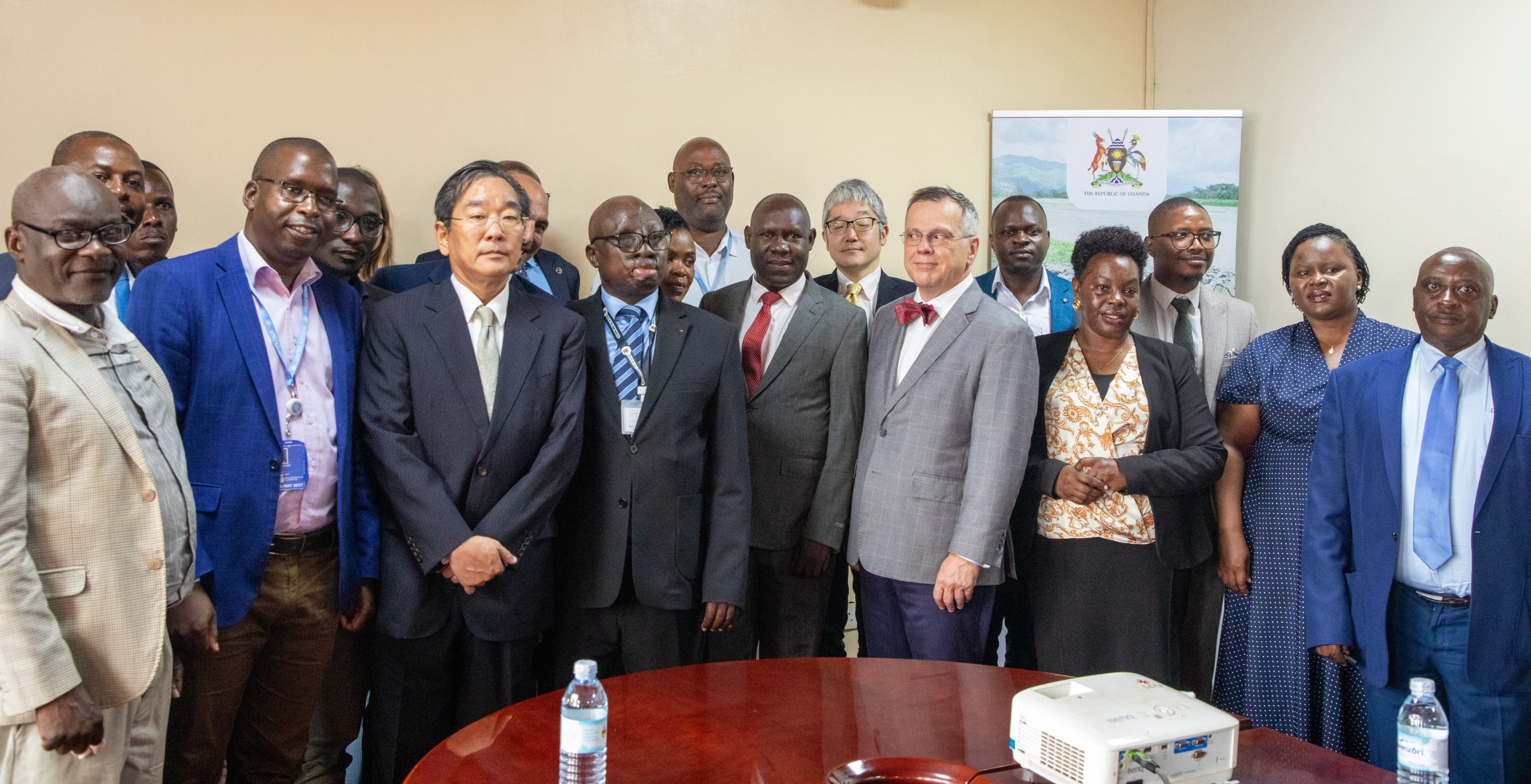
Experts have called for strengthened early warning systems as a key strategy for reducing disaster-related losses.
Speaking during a high-level dialogue on early warning and anticipatory action for resilient livelihoods in Uganda, held at the Office of the Prime Minister, FAO Country Representative Ezana Getahun Kassa said forecasts indicate a high probability of an El Niño event developing in late 2026 and extending into 2027, underscoring the need for preparedness.
“Experience from previous El Niño episodes reminds us that such events can result in severe flooding, displacement, disruption of agricultural production, and substantial economic losses. The question before us is not whether climate shocks will occur, but whether we are sufficiently prepared to anticipate them and act before they become disasters,” Kassa said.
He noted that Uganda remains highly vulnerable to climate-related disasters, stressing the importance of early preparedness.
“This is precisely where early warning systems and anticipatory action become essential. Investing before disasters strike is not only more effective, but also significantly more cost-efficient than responding after impacts have already occurred,” he added.
During the dialogue, stakeholders reviewed results of the project titled Enhancing Flood Management in Uganda with Integrated Early Warning Systems to Contribute to Women, Peace and Security (WPS), implemented by the Office of the Prime Minister and FAO with support from the Government of Japan between March 2025 and March 2026.
The USD 1.13 million (approximately UGX 4.27 billion) project led to the establishment of 10 hydro-climatic stations and two flood early warning centers. It also enabled the dissemination of timely weather advisories to more than 100,000 people and supported anticipatory actions that helped protect approximately 5,000 households from flood risks.
According to project results, between January and April 2024, heavy rains affected more than 52,000 people, resulting in 23 deaths and 241 injuries. Between June and August of the same year, a further 19,098 people were affected by flooding in the Rwenzori region.
The initiative also supported the production and dissemination of 72 weather bulletins and advisories, reaching over 100,000 people through multiple communication channels. At community level, 540 people were trained and sensitized on early warning systems and anticipatory action, strengthening local preparedness and response capacity.
Kassa said the project represents only one step in a much longer journey.
“Sustained investment, stronger coordination across institutions, and greater efforts are required to translate early warning information into timely anticipatory actions on the ground, moving beyond pilots to sustainable protection of livelihoods in communities vulnerable to climate-related risks,” he said.
He reaffirmed FAO’s commitment to supporting the Government of Uganda in advancing a more proactive and risk-informed approach to disaster management.
The Commissioner for Disaster Preparedness and Management at the Office of the Prime Minister, Davis Mwenyi, noted that climate change is now a lived reality in Uganda.
“While climate change once seemed far-fetched, it is now with us. The earlier we respond to it, the better. Uganda remains highly vulnerable to recurrent climate-induced shocks such as floods and droughts, which negatively affect agricultural productivity, livelihoods, and food security. This is a crisis that demands not only immediate action but also strategic investment,” Mwenyi said.
He added that Uganda is ranked 127th out of 193 countries in climate disaster risk, with climate variability already costing an estimated USD 62 million annually in flood-related damage. With more than 66% of the population dependent on agriculture, he warned that climate shocks directly translate into food insecurity and economic losses.
Mwenyi further noted that while Uganda’s early warning systems are improving, they remain insufficient to fully protect vulnerable communities from the anticipated scale and intensity of climate-induced disasters.
The Ambassador of Japan to Uganda, Sasayama Takuya, reaffirmed his government’s commitment to supporting Uganda’s disaster risk reduction efforts.
“Disaster risk reduction and management is a shared challenge for many countries. Japan has experienced devastating disasters such as earthquakes and tsunamis, and we are pleased to share lessons learned and knowledge gained from these experiences with Uganda,” he said.
“Japan remains committed to supporting Uganda and its partners in strengthening early warning systems,” he added.
